The knock comes at 2:47 AM. A stranger's voice crackles through the intercom, pleading for help. Your hand hovers over the door handle, and that single moment decides everything. Keep the door locked strangers at door encounters are the heart of this Roblox horror experience, and knowing who to trust separates survivors from statistics.
Every night in Keep the Door Locked follows the same setup: you're alone in a hotel room after midnight, and strangers knock at your door. Some genuinely need help. Others are lying through their teeth, waiting for you to make one fatal mistake. With over 4.3 million visits and 10,000+ players online since its May 28, 2026 launch, this game by developer Hotel Room Services (KivC) has become a phenomenon. This guide breaks down every visitor type, the verification process, and the exact rules that keep you alive.
Understanding the Strangers at Door System
The visitor system in Keep the Door Locked operates on a simple but brutal premise: every knock demands a decision, and every decision carries weight. When you hear that first knock, the game forces you to check your cameras, listen to the visitor's story, and decide whether to open. The tension comes from the fact that visitors follow recognizable patterns, but those patterns shift with each update.
According to community documentation and player reports, the current roster includes police and authority figures, neighbors from adjacent rooms, distress callers, night drifters, and repeat callers. Each category has its own behavioral tells, and experienced players learn to read them within seconds.
The Core Decision Framework
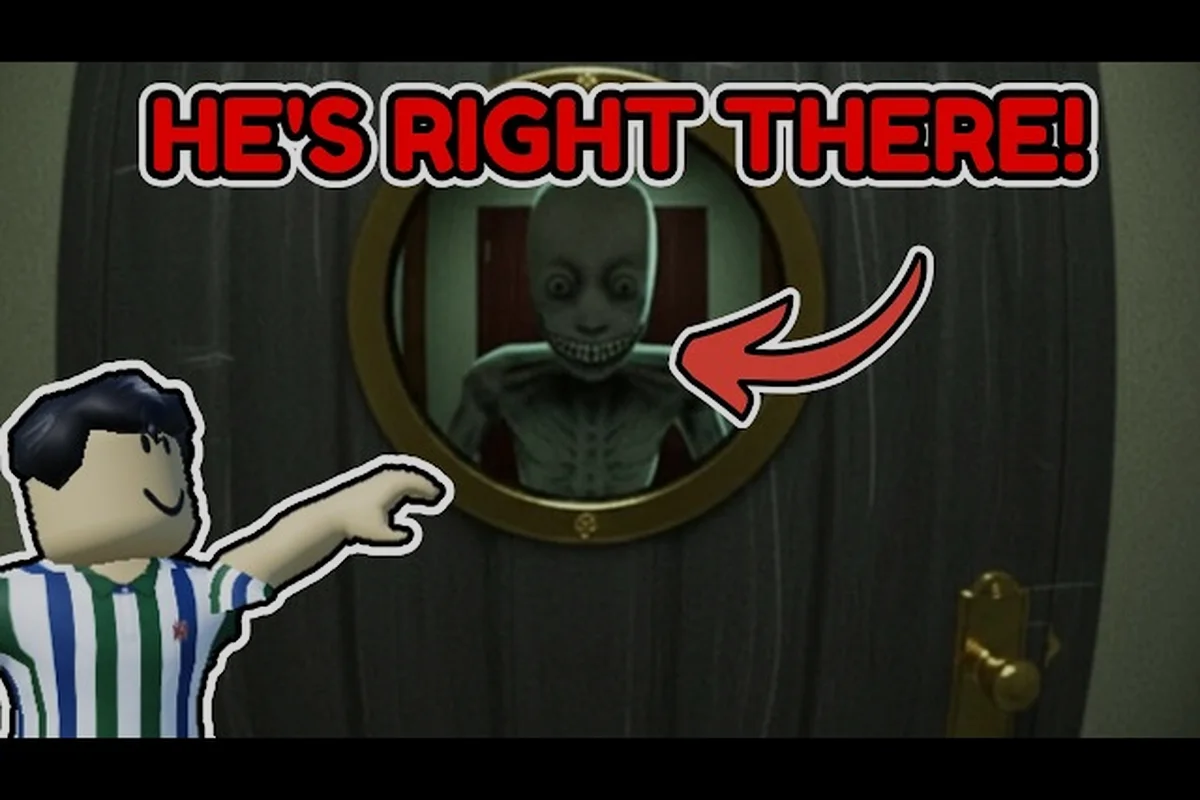
When a stranger knocks, you need to evaluate three things before touching that handle: their voice pattern, the timing of the knock, and whether they repeat a known phrase from the game's script. Hesitating too long raises suspicion, but answering without checking the peephole can trigger an instant jump-scare, so players often memorize the safe response sequence to survive the night.
-
Visual confirmation: Check every camera angle. Does the person match their claimed identity? Uniforms, badges, and physical appearance matter.
-
Story consistency: Does their explanation align with what you see on the monitors? A distress caller claiming someone is hurt in Room 204 loses credibility when Room 204 shows no activity.
-
Behavioral cues: How do they react to your silence? Genuine visitors wait patiently, while dangerous ones grow agitated or try to rush you.
The verification process isn't optional. Players who skip it often find themselves facing an anomaly that mimics human behavior, and those encounters rarely end well. The game rewards methodical thinking because every visitor, safe or dangerous, follows a script that you can learn through observation.
Authority Figures: The Highest-Stakes Visitors
Police officers and other authority figures represent the most dangerous category in Keep the Door Locked, because their presence creates immediate pressure to comply. When someone in uniform knocks and demands entry, your instinct says to obey. That instinct gets players killed.
The critical rule, confirmed by multiple community sources, is that authority visitors must have their story verified before opening. A real officer investigating a disturbance will provide specific details about the situation. They'll reference room numbers, describe the reported incident, and give you time to check your cameras. Fake authority figures, by contrast, rush you, give vague answers, and grow hostile when you ask questions.
Red Flags for Fake Authority
| Visitor Claim | What to Check | Safe Response |
|---|---|---|
| Police responding to noise complaint | Camera shows no disturbance in hallway | Ask for badge number through intercom |
| Security checking room occupancy | No other guests visible on cameras | Request they slide ID under door |
| Fire inspector doing rounds | No alarms or smoke detected | Tell them you'll call front desk to confirm |
| Detective investigating incident | Story changes when you ask follow-ups | Keep door locked, report to front desk |
The authority verification protocol takes about thirty seconds, and that time investment saves runs. If the visitor is genuine, they'll wait patiently while you confirm their story. If they're an anomaly wearing a uniform, they'll often escalate, threaten, or attempt to force entry. That escalation itself confirms your suspicion.
Distress Callers and the Room Check Rule
Few moments in Keep the Door Locked feel more stressful than hearing someone scream for help through the door. The game designs these encounters to trigger your empathy, and that emotional manipulation is exactly what dangerous visitors exploit. When a voice pleads for rescue, veteran players often hesitate, knowing that opening up can cost you the round—yet the cry still feels unnervingly real, making every second of silence a test of nerve.
The distress call verification rule is straightforward: check the room first. When someone claims an emergency in a specific location, pull up that camera feed before doing anything else. Community testing shows that the claimed emergency is often absent from the room feed, which marks the caller as a threat.
Distress Caller Assessment Table
| Claimed Emergency | Camera Check Result | Verdict |
|---|---|---|
| "Someone's hurt in Room 204" | Room 204 empty and quiet | Dangerous — do not open |
| "I'm being followed, let me in" | Hallway shows no one behind them | Dangerous — verify further |
| "My key doesn't work, I'm locked out" | Person matches room key card description | Possibly safe — check with front desk |
| "There's a fire in the stairwell" | Smoke visible on stairwell camera | Likely safe — call emergency services |
The room-first verification method works because the game's camera system provides objective truth. While visitors can lie, the cameras don't. When a distress caller's story contradicts what you see on the monitors, trust the cameras. That single habit prevents most avoidable deaths.
Night Drifters and Repeat Callers
Not every visitor arrives with a dramatic story. Some simply wander the hallways, knock on your door, and stand there silently. These night drifters create a different kind of tension because their intentions remain completely opaque. Unlike scripted threats, their behavior is unpredictable, forcing you to weigh every knock against your limited lock uses. Veteran players often wait them out, knowing that patience can turn a silent standoff into a harmless pass-by.
Night drifters typically appear in the later hours of your shift, and their behavior follows loose patterns that players have documented through repeated playthroughs. Some drifters are harmless wanderers who move on after a minute. Others are anomalies that grow more aggressive the longer you ignore them. The challenge lies in distinguishing between the two without opening the door.
Drifter Behavior Patterns
-
Silent standing: They knock once and stand motionless. If they leave within 60 seconds, they're likely harmless.
-
Repeated knocking: They knock in sets of three, pause, then knock again. This pattern often signals danger.
-
Camera avoidance: They stay just outside camera range, visible only partially. This behavior is a major red flag.
-
Mimicking voices: Some drifters imitate the voices of people you've already met. If a voice sounds familiar but slightly off, trust your instincts.
Repeat callers add another layer of complexity because they create false familiarity. A visitor who knocked earlier and left peacefully might return with a different story. The game tracks your interactions, and repeat callers often reference previous conversations to lower your guard. Treat every knock as a new encounter, regardless of how friendly the visitor seemed before.
Practical Survival Strategies for Every Knock
Beyond identifying specific visitor types, you need a consistent decision-making framework that works under pressure. The following strategies come from community reports and successful playthroughs documented by players across multiple sessions. This framework prioritizes quick risk assessment over perfect identification, helping you act before a visitor reaches the door. Many veterans recommend a simple rule: if unsure, lock first and verify later, as hesitation often costs more than a false alarm.
The 30-Second Verification Protocol
When any stranger knocks, run through this checklist before considering the door: first, check the peephole for a familiar face, then listen for the telltale shuffle of the Lurker’s feet, and finally, verify your flashlight is charged—a dead battery mid-escape is a death sentence. Players who skip this routine often panic at the wrong moment, but veterans know that hesitation at the threshold is what gets you caught.
-
Check all cameras — sweep every angle, including the hallway ends and stairwell entrances.
-
Listen for background audio — genuine visitors often have ambient sounds that match their story.
-
Ask one clarifying question — their response speed and detail level reveal a lot.
-
Cross-reference with room status — does their story match what your monitors show?
-
Decide and commit — hesitation at the door creates vulnerability windows.
This protocol takes thirty seconds, and it works because dangerous visitors rarely tolerate extended scrutiny. The verification-first approach has saved countless runs, according to player reports shared across community forums. By forcing a full timer before any door interaction, it exposes impatient mimics who often break pattern early, while veterans use the pause to reposition near exits or check audio cues for extra safety.
When to Open the Door
| Situation | Recommended Action | Reasoning |
|---|---|---|
| Verified authority with matching story | Open after confirming details | Genuine visitors provide quests or rewards |
| Distress caller with confirmed emergency | Open after camera verification | Real emergencies need your help |
| Silent drifter who leaves quickly | Do not open | No benefit, unnecessary risk |
| Repeat caller with changed story | Keep locked | Pattern inconsistency signals danger |
| Any visitor who rushes you | Keep locked | Patience is the strongest safety signal |
The safe opening criteria always include verification, patience, and story consistency. When all three align, opening the door typically leads to positive outcomes, such as earning a rare item or advancing the questline. When any one fails, keeping the door locked costs you nothing, since a misstep can trigger a jumpscare or reset your progress. Players often note that rushing the criteria is the fastest way to lose a run.
Advanced Visitor Identification Techniques
Experienced players develop pattern recognition skills that go beyond basic verification. These advanced techniques require multiple playthroughs to master, but they dramatically improve your survival rate. By memorizing the timing of door knocks and the subtle audio cues preceding each entity’s attack, you can pre-position yourself for safer escapes. Veterans often use these cues to bait the monster into predictable loops, turning a frantic scramble into a controlled, calculated response.
Audio Cues and Environmental Tells
The game's audio design provides subtle hints that careful listeners can exploit. Footsteps that pause too long outside your door, breathing that sounds distorted through the intercom, and background sounds that don't match the claimed location all serve as warning signs. Players who play with headphones report significantly higher survival rates because they catch these audio anomalies that visual checks miss.
Community-Documented Visitor Patterns
According to community data compiled from hundreds of playthroughs, certain visitor combinations appear more frequently during specific time windows in the game's night cycle. The 2 AM to 3 AM window sees the highest concentration of dangerous visitors, while early evening hours tend to feature more genuine callers. This pattern isn't guaranteed, but it helps you calibrate your caution level throughout the shift.
For players who want to track specific visitor behaviors across sessions, the Keep the Door Locked visitors list provides a comprehensive reference of documented encounters. Additionally, understanding who to let inside can dramatically improve your decision-making when facing ambiguous situations.
Learning from Real Gameplay Footage
Watching experienced players handle stranger encounters provides valuable context that written guides can't fully capture. The INSANE VISITORS gameplay video by MasterMooks Gaming showcases multiple visitor types and demonstrates the verification process in real time. Similarly, JunyyGaming's anomaly gameplay highlights what happens when verification fails, offering a cautionary look at the consequences of impulsive decisions.
For a more methodical approach, Peta Perjalanan's rule-following walkthrough shows exactly what happens when you follow every protocol correctly. Watching these videos reinforces the patterns described in this guide and helps you internalize the decision-making framework, especially when timing door checks against the monster's audio cues. Many players find that replaying key segments sharpens their instinct for when to hold still versus retreat.
The game's official Roblox page provides the most current information about updates and features, so checking it regularly keeps your knowledge fresh. Players often consult that Roblox listing to spot new monster behaviors or map tweaks before they appear in-game, giving them a strategic edge during door-sealing runs. Since patch notes are brief, frequent visits help you adapt quickly to balance shifts.
Frequently Asked Questions
What should I do when keep the door locked strangers at door situations involve authority figures?
Always verify authority claims before opening. Ask for specific details about their investigation, check your cameras for supporting evidence, and request identification be slid under the door. Genuine authority figures will cooperate with verification, while fake ones typically escalate or threaten. When in doubt, contact the front desk through your room phone.
How do I handle distress callers who claim someone is hurt?
The room check rule applies: pull up the camera feed for the claimed location before responding. If the room shows no signs of the described emergency, the caller is likely dangerous. Genuine emergencies will show visible evidence on camera, such as open doors, movement, or smoke. Trust your cameras over their words.
Are night drifters always dangerous?
No, but they're unpredictable. Some drifters knock once and leave within a minute, causing no harm. Others escalate if ignored. The safest approach is to monitor them through cameras without opening the door. If they leave quickly, you've avoided unnecessary risk. If they linger and grow agitated, keep the door locked and wait them out.
Can repeat callers be trusted if they visited before?
Treat every knock as a new encounter. Repeat callers sometimes reference previous interactions to build false trust, and their stories may change between visits. Apply the same verification process to every knock, regardless of prior contact. Consistency in your decision-making is the strongest defense against manipulation.
What happens if I open the door to a dangerous visitor?
Opening to a dangerous visitor triggers a jump scare and an immediate game over, ending your run with no second chances. This is why the verification protocol is critical, and experienced players never rush their decisions. The high stakes make careful identification essential for survival.