Rules
The unspoken rules of the Keep the Door Locked hotel room that keep you alive. What you may and may not do, and exactly what happens when you break a rule.
Introduction
Rules are the survival backbone of Keep the Door Locked. The game does not give you a rulebook — but every veteran player follows the same unwritten laws of the hotel room: never open the door before checking the cameras, keep the door locked unless you are certain, watch the monitor because anomalies reveal themselves there, don't trust every story, and turn away anyone suspicious. This category translates those unwritten rules into a clear list. Each rule is explained with its reasoning, what happens when you break it, and the warning signs that should trigger the rule. Follow the rules and you will survive the night; break them and the night will end badly.
Hotel Room Rules at a Glance
| Rule | Why It Exists | If Broken |
|---|---|---|
| 1. Check cameras before the door | Anomalies show their tells on the monitor | You open for an anomaly you could have seen |
| 2. Keep the door locked unless certain | Lock is your only real defense | Unlocked door lets the wrong visitor in |
| 3. Watch the monitor | Night vision + camera reveals distortions | You miss the camera-only tell |
| 4. Do not trust every story | Anomalies invent emergencies | You act on a fabricated emergency |
| 5. If in doubt, turn away | Refusal costs nothing, let-in costs everything | You gamble your run on a hunch |
| 6. Rules protect your sanity | Breaking rules drains sanity to zero | Hit zero — the night ends badly |
Rule Breakdown
Camera-First Rule
The camera-first rule is the foundation that every other rule builds on, because the monitor is the only tool that shows you what a visitor really is. Anomalies reveal themselves on camera through ghostly forms, distortion, and missing evidence, so without the monitor you are deciding completely blind. The execution is simple and universal: open the monitor, cycle the hallway and room views, then decide at the door. Skipping the check means opening for visitors you could have easily identified as anomalies before they got inside.
Verify-Every-Story Rule
The verify-every-story rule exists because anomalies manufacture emergencies to pressure you into a mistake. They claim smoke in the oven, a leaking faucet, or a hurt person, all to make you unlock without thinking. The execution is ruthless: match every single claimed detail against the room camera before you touch the lock, and refuse any story that does not line up with what the footage shows. Trusting a dramatic claim without verification remains the fastest way to let an anomaly walk into your room.
Refuse-Who-You-Question Rule
The refuse-who-you-question rule is built on a simple risk calculation: refusing a safe visitor only costs you one reward, while letting in an anomaly costs your sanity and possibly the entire night. When the story, the camera, or the voice leaves any real doubt, the correct move is to turn the visitor away at the door. The downside of a wrong refusal is small and recoverable, but the cost of a wrong let-in can end the run right there. Doubt should always mean no.
Sanity Protection Rule
The sanity protection rule treats your mental health as the invisible health bar behind every choice you make. Community reports indicate that rule breaks and anomaly let-ins drain sanity, and when it reaches zero the night ends poorly for your run. Rather than trying to max out rewards every time, protect the resource that keeps you alive: limit risky let-ins, keep a cautious baseline, and refuse more often than you open. Watching your sanity is what gives you more nights alive and access to the better endings.
Keep the Door Locked Rule
The keep the door locked rule is the premise of the entire game, because the lock is the physical barrier between you and every anomaly in the building. The default state should always be locked, and you should only reach for it after a full camera pass and a verified story leave no doubt at all. Keeping the door locked unless you are certain is the whole challenge of the game, because an unlocked door lets the wrong visitor step inside and the run ends badly in that same moment.
Watch the Monitor Rule
The watch the monitor rule exists because anomalies reveal themselves only through the camera view, whether through distortion, missing evidence, or figures that only appear under night vision. The monitor should be your default check at every single knock, and you should also glance at it between visitors to keep the full picture of the night. Skipping monitor checks means deciding blind, which is exactly how the camera-only anomalies slip inside. The eye misses what the monitor catches every time.
Core Mechanics
The rules of Keep the Door Locked are enforced through consequences. The game tracks how carefully you play — whether you check cameras first, whether you verify stories, whether you refuse suspicious visitors. Break a rule and the game punishes you, most visibly through your sanity meter: according to community information, ignoring the rules drains sanity, and hitting zero ends the night badly. The rules also feed into the ending system. Your decisions at the door — following rules or gambling on stories — influence which ending you reach at sunrise. Understanding the rules means understanding the game's judgment system: play carefully, verify everything, and the night rewards you.
Advantages
Rules give you a clear, repeatable path to success. Instead of reinventing a strategy every night, you execute a checklist: monitor first, verify stories, refuse uncertain visitors, protect sanity. This consistency is what separates players who die on night one from players who reach all endings. The rules also teach you the game's logic — once you understand why each rule exists (anomalies reveal themselves on camera, stories can be fabricated, refusal is free), you can apply that logic to new situations even as the game adds new visitors and anomalies. Once you understand why each rule exists, you can apply that logic to new situations even as the game adds new visitors and anomalies over time.
Challenges
The rules are not officially documented, so some details are community-reconstructed and may change between versions. Different players also report slightly different interpretations of edge-case rules — for example, which repeat callers are safe to open for. The hardest part is discipline: following the rules means refusing visitors you would love to help, and the game deliberately tempts you with high-value-looking callers. In the heat of a scary night it is easy to break a rule "just this once" — and the game does not forgive it. In the heat of a scary night it is easy to break a rule "just this once" — and the game does not forgive it, so discipline is the real skill being tested.
Frequently Asked Questions
What is the most important rule?+
What happens if I break a rule?+
Are there secret rules?+
Quick Tips
Make the monitor your default. Every time a knock sounds, your first move is the camera — not the door handle. This one habit catches more anomalies than any other skill in the game. Make the monitor your default view between knocks too, because hallway activity can reveal visitors before they ever knock.
Treat "I need help" as a red flag, not a green light. Anomalies love to play on your instinct to help. Always verify the claimed emergency on camera before deciding, and refuse if the room does not match the story. Verify the claimed emergency in the room on camera before deciding, and refuse if the room does not match the story.
Protect your sanity like a health bar. Refusing a visitor costs nothing, but every reckless let-in drains you. By the third or fourth risky decision, even a safe-looking visitor can push you to zero. By the third or fourth risky decision, even a safe-looking visitor can push you to zero, so keep a firm baseline and do not negotiate with yourself.
Featured
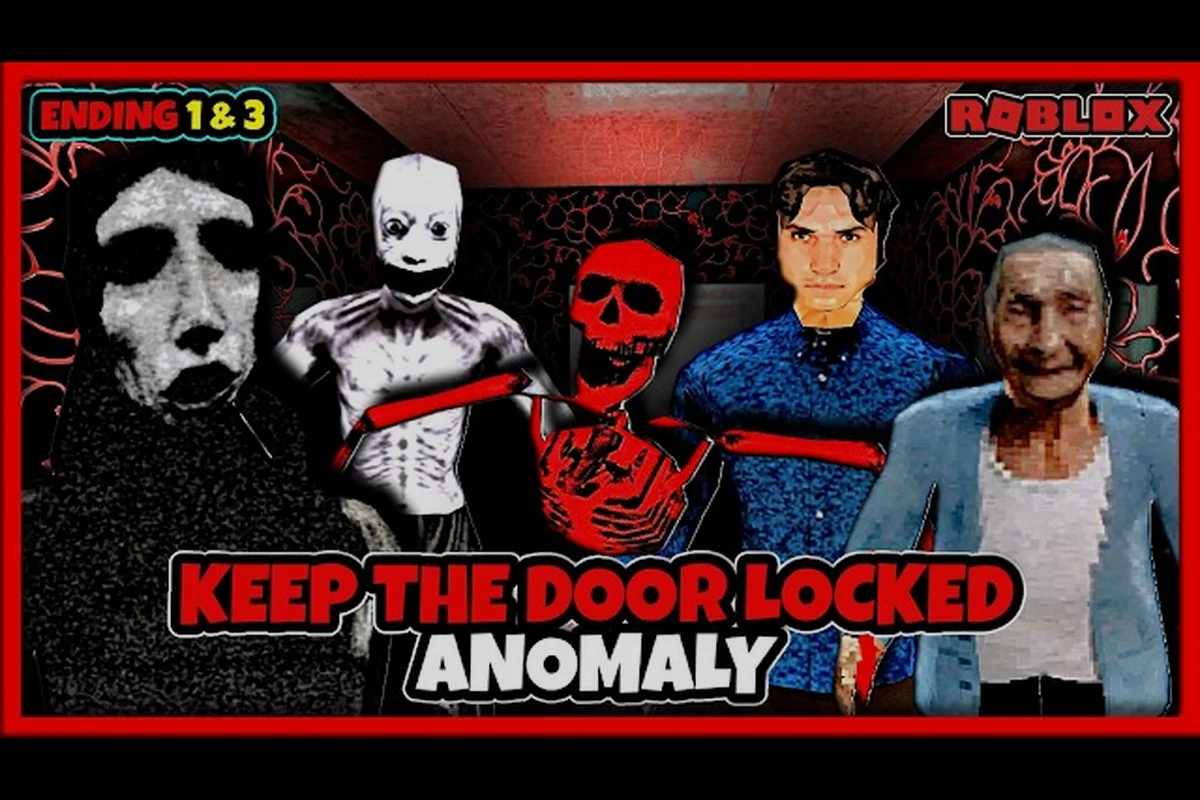
Keep the Door Locked All Rules: The Complete Rulebook
Master every Keep the Door Locked rule with this complete survival guide. Learn camera checks, visitor verification, and sanity management to survive the night.
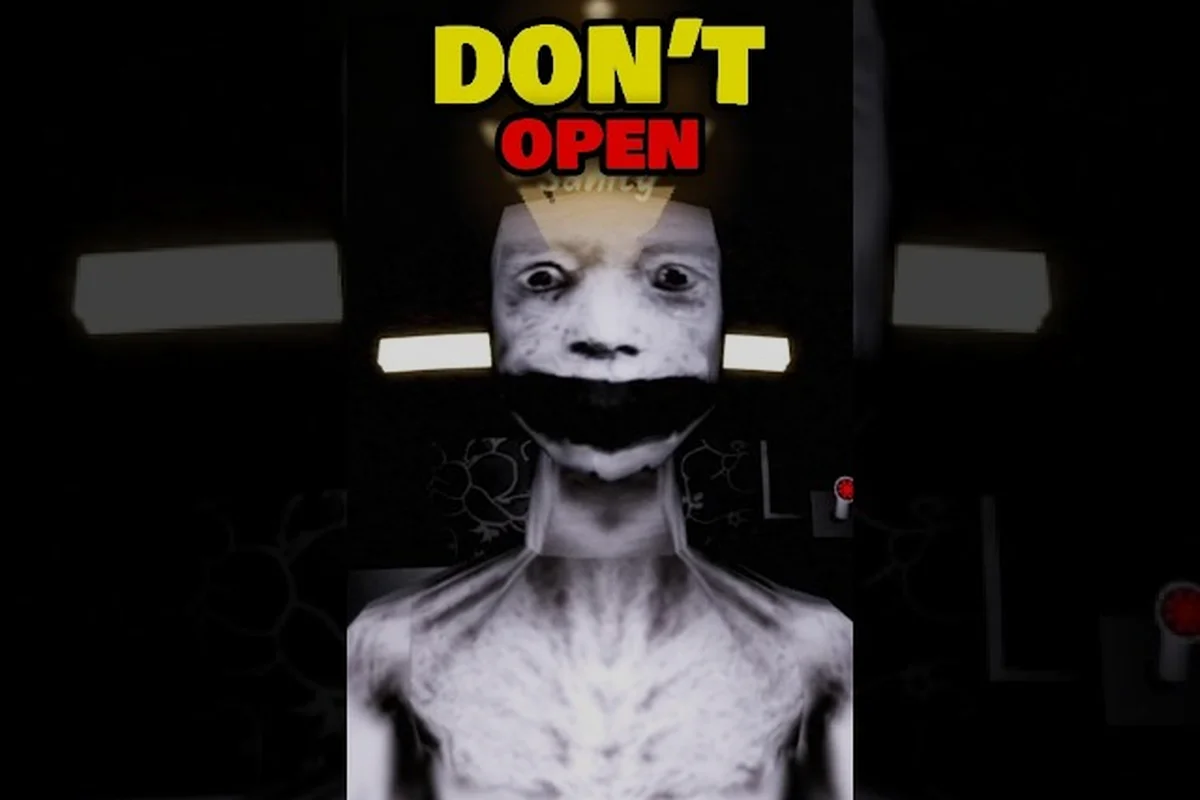
Keep the Door Locked Rule List: Every Rule Explained (2026)
Complete keep the door locked rule list for 2026. Learn every rule, rule hints, rule tips, and rule strategy to survive the night without triggering a rule violation.
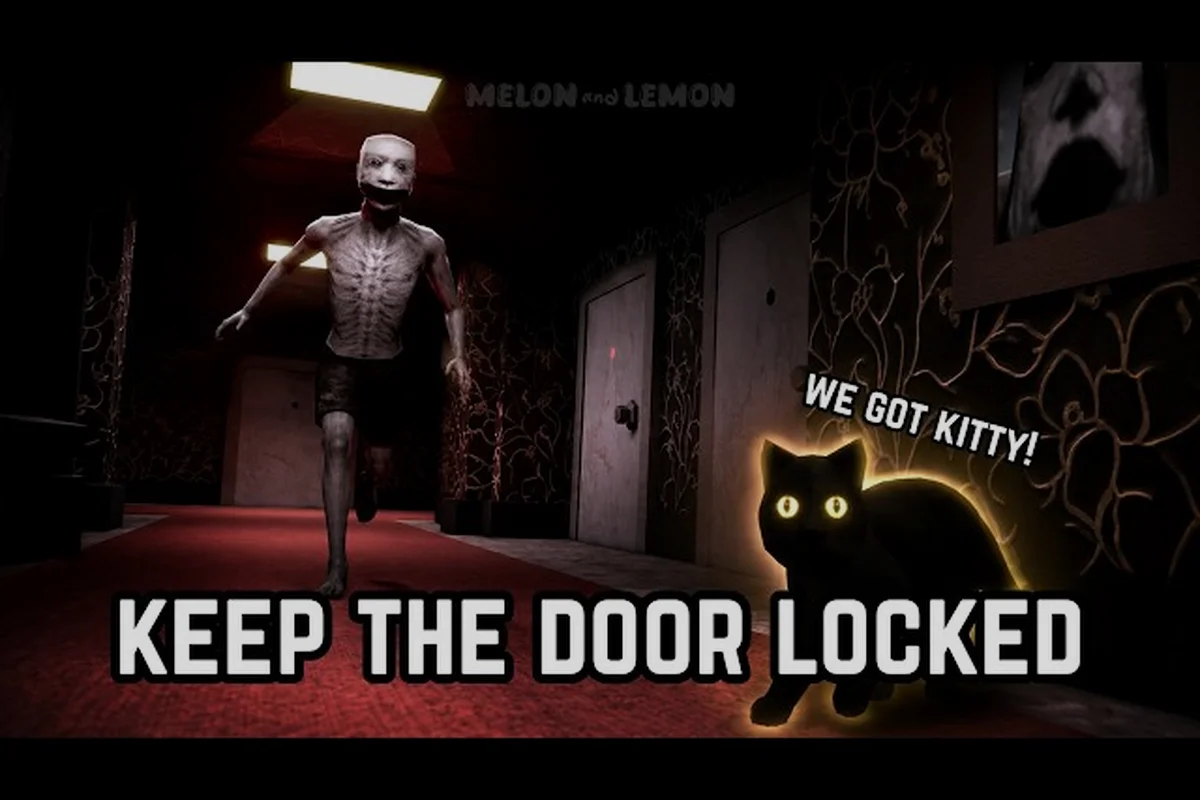
Keep the Door Locked Rules Guide: Every Rule You Must Follow
Master the Keep the Door Locked rules guide with camera checks, visitor verification, and anomaly spotting. Survive every night shift in this Roblox horror game.
All Articles
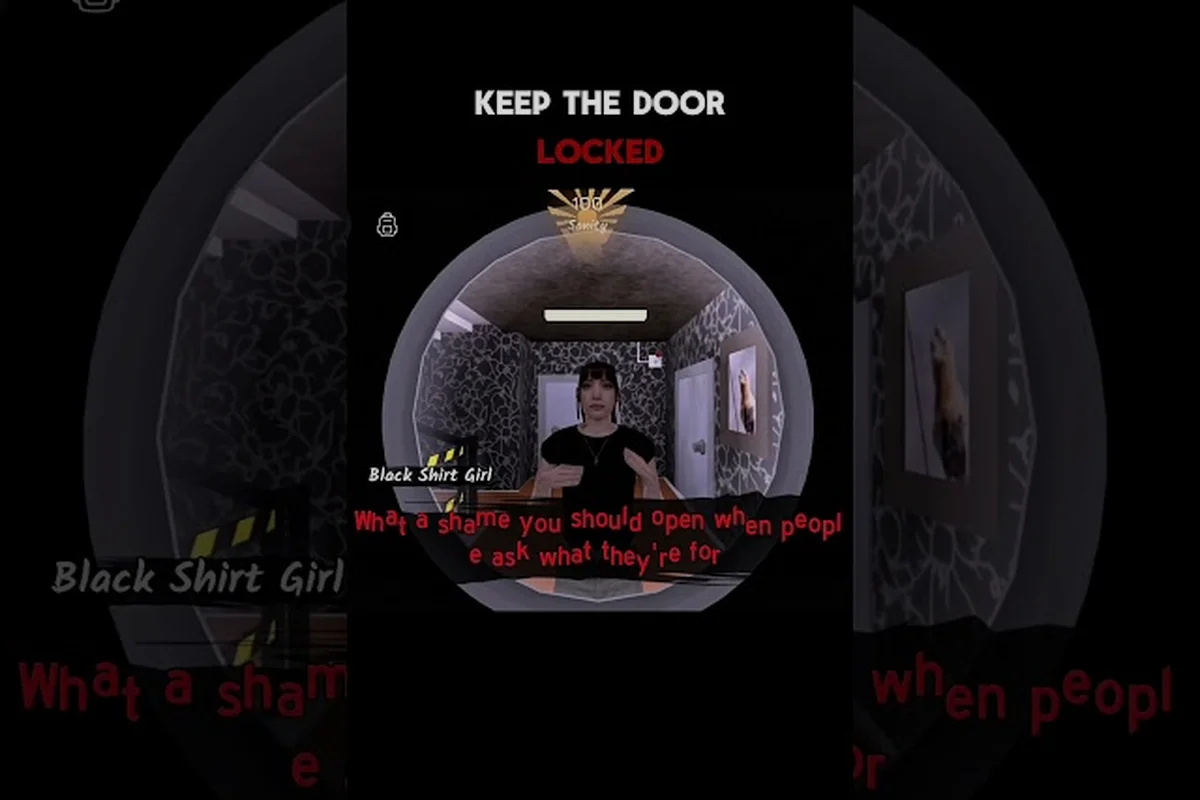
Keep the Door Locked Follow the Rules: How to Stay Alive
Learn exactly how to keep the door locked follow the rules in Roblox. Master the rulebook, spot anomalies on camera, and survive every night.
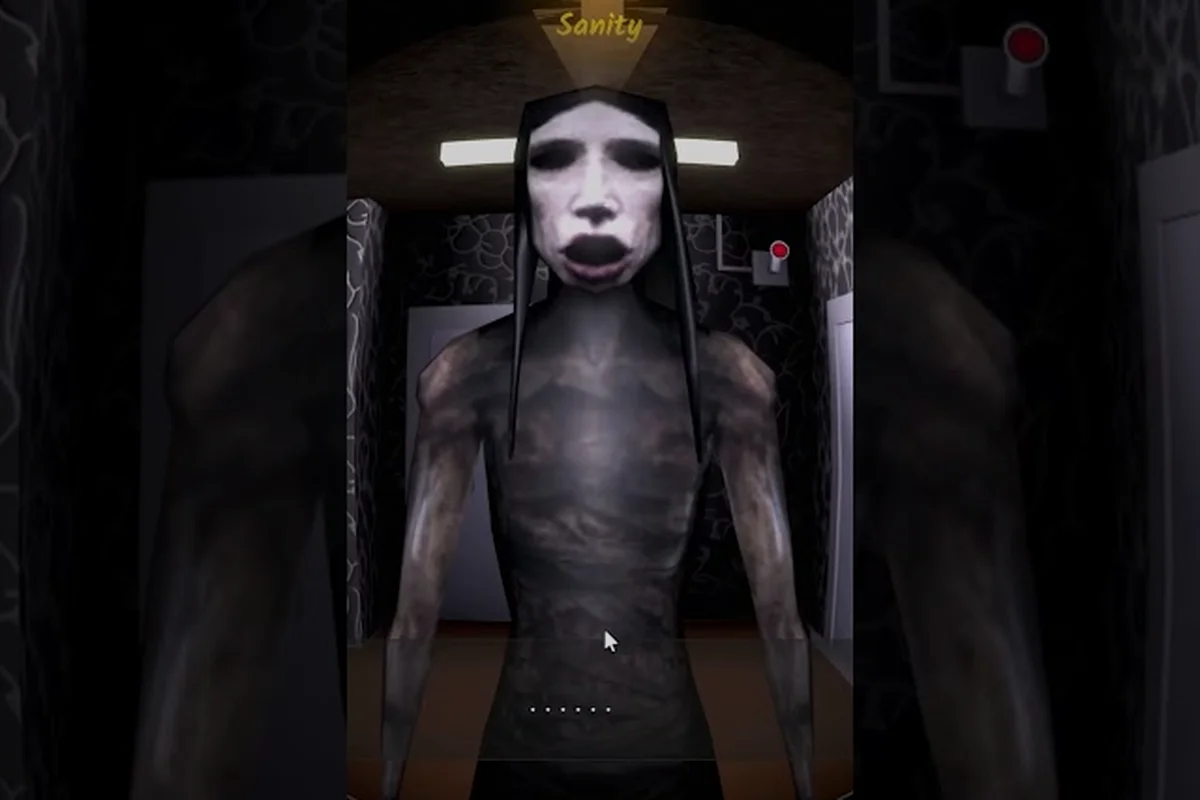
Keep the Door Locked Hotel Rules: Room Policy Explained
Master the Keep the Door Locked hotel rules with our survival guide. Learn camera checks, visitor verification, and forbidden actions to survive every night.
Keep the Door Locked What Rules to Follow: Priority Guide
Master the keep the door locked what rules to follow checklist. Learn the complete rulebook, what happens if you break rules, and survival tips for every night shift.
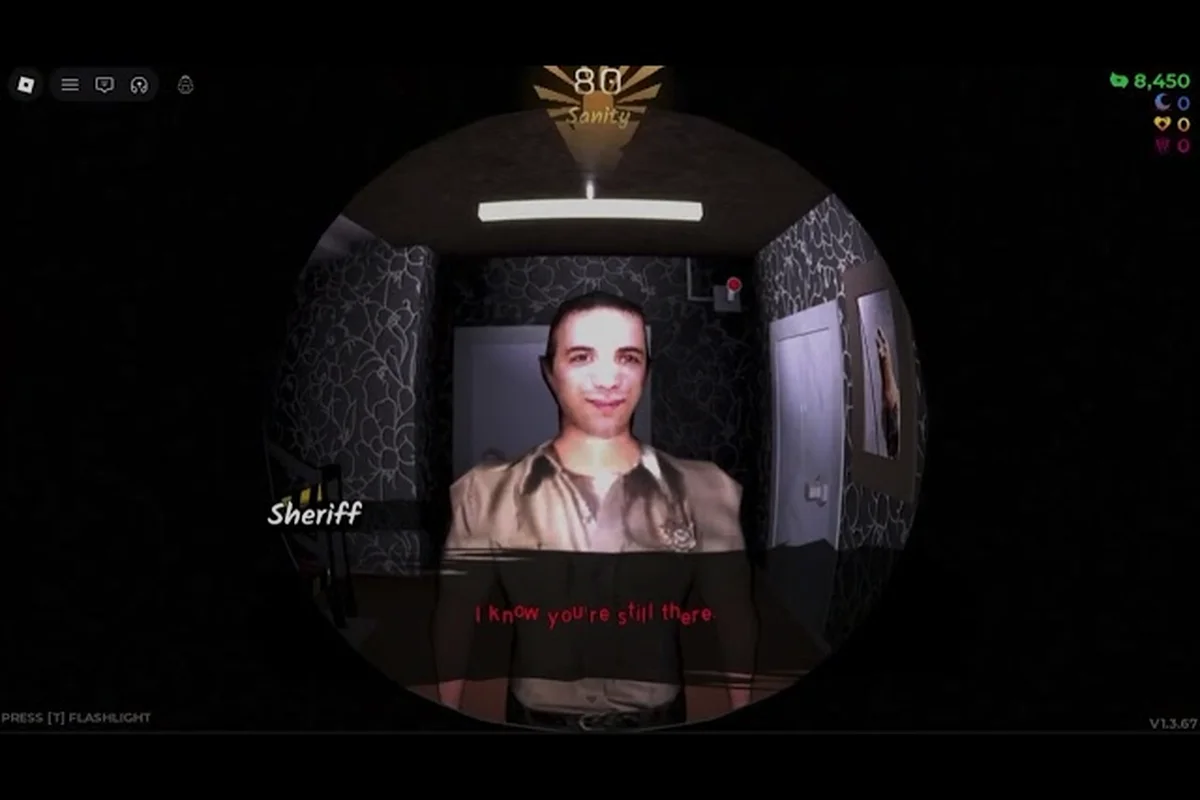
Keep the Door Locked Broken Rules: What Happens Next
Discover what happens when you break Keep the Door Locked rules, how sanity drains, and which violations end your night instantly.
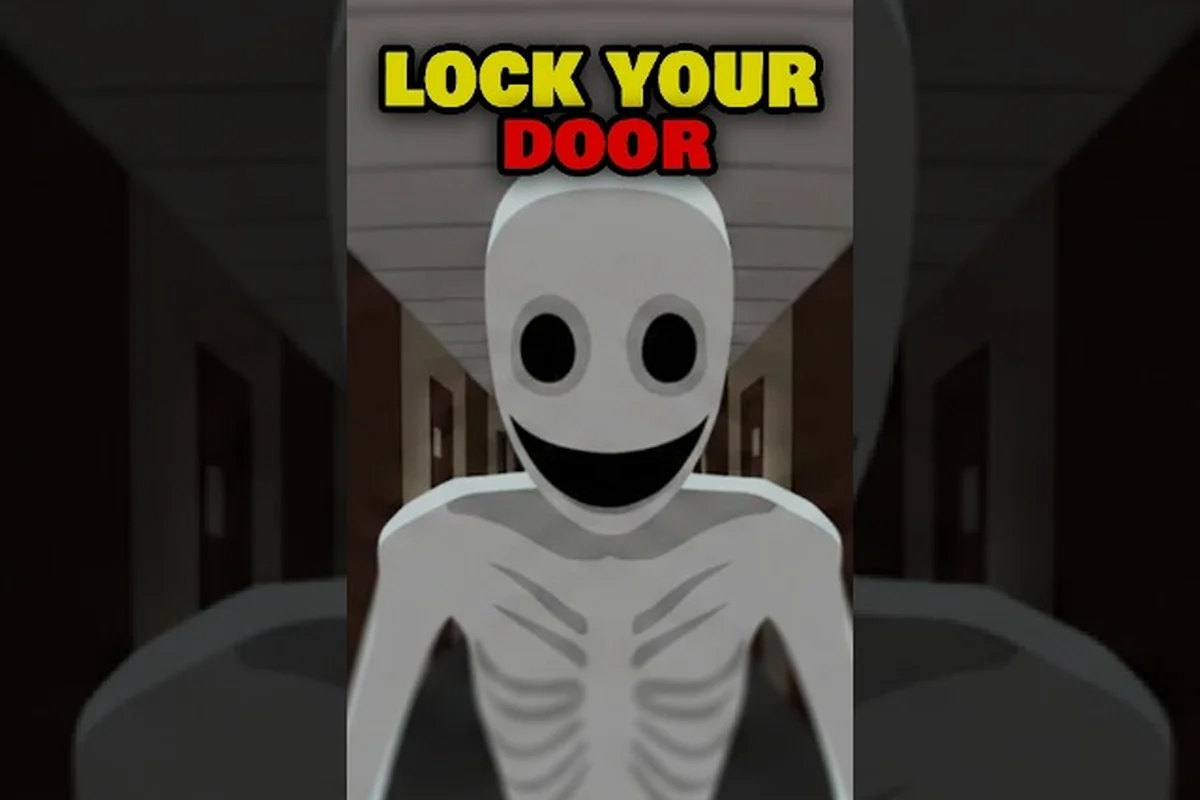
Keep the Door Locked Rule Break Consequences Explained
Discover what happens when you break the rules in Keep the Door Locked. Learn sanity costs, anomaly behavior, and survival strategies in this detailed guide.