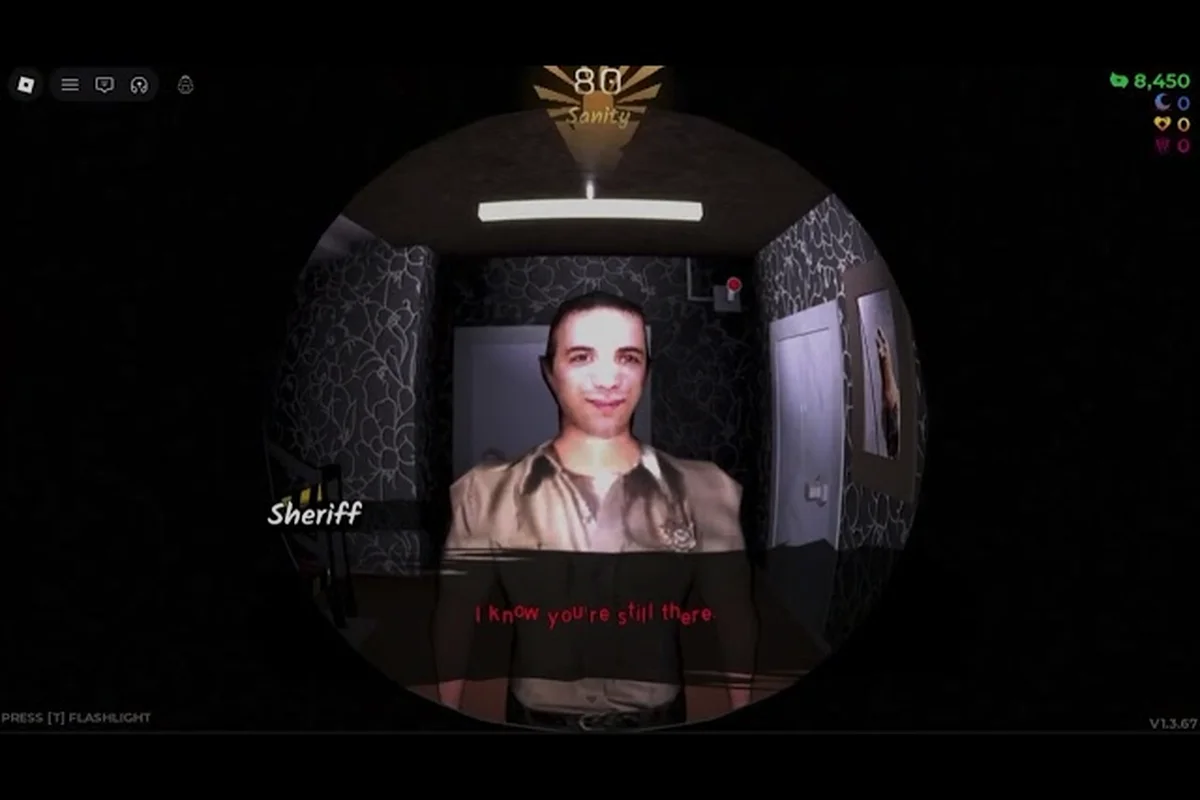
Every hotel guest who knocks after midnight in Keep the Door Locked claims to be harmless, but the game punishes blind trust with brutal efficiency. Understanding the keep the door locked broken rules system is the difference between surviving until sunrise and watching your sanity meter hit zero before 2 AM.
The core loop sounds simple: check the cameras, verify the visitor, decide whether to unlock. Yet thousands of players report losing runs to mistakes that feel obvious in hindsight, which is why knowing exactly what triggers a violation matters more than reaction speed. This guide breaks down every documented rule, the precise consequences for breaking each one, and the edge cases that still trip up veteran players.
Defining a Broken Rule in Practice
Before you can survive the night, you need to know what the game considers a violation in the first place. According to community reports and the official Roblox game description, the keep the door locked rulebook centers on five core behaviors that players must internalize before their first shift ends.
| Rule | What It Means | Violation Trigger |
|---|---|---|
| Camera Check First | Always view the hallway monitor before responding | Opening the door without watching the feed |
| Verify Every Claim | Confirm visitor statements against room details | Trusting a guest without cross-checking |
| Locked by Default | Door stays locked unless you're certain | Unlocking for unverified strangers |
| Anomaly Recognition | Spot camera glitches or wrong details | Missing visual tells on the monitor |
| Doubt Means Deny | Turn visitors away when uncertain | Letting suspicious guests inside |
The critical nuance here is that the game doesn't tell you when you've broken a rule in the moment. The penalty applies silently, and you only realize the cost when your sanity meter drops or an anomaly appears in your room. This delayed feedback loop is why so many new players struggle to connect their actions to the consequences.
Rule enforcement appears consistent across versions based on player testing, though the exact sanity values may shift slightly with patches. What remains constant is the order of operations: camera, verify, decide. Skip any step and you're gambling with your run.
Sanity Drain: The Hidden Cost of Violations
Your sanity meter is the game's way of tracking how many keep the door locked broken rules you've committed, and it's the most important resource you manage. Unlike health bars that refill, sanity only goes down, and reaching zero triggers an immediate game over regardless of how many visitors you've successfully handled.
How Much Each Violation Costs
Community testing has mapped out the approximate sanity costs for different rule breaks, though the exact numbers may vary by difficulty setting. Players report that minor mistakes like forgetting to check cameras cost less than major violations like letting an anomaly inside.
| Violation Type | Sanity Cost | Severity |
|---|---|---|
| Missed camera check | 10-15 points | Minor |
| Wrong verification | 20-25 points | Moderate |
| Let anomaly inside | 40-50 points | Severe |
| Ignore monitor warning | 30-35 points | High |
| Repeated same mistake | Doubles each time | Escalating |
The escalating penalty system is what catches most players off guard. According to player reports, repeating the same mistake within a single night doubles the sanity cost each time, which means a careless habit can wipe out your entire meter in just three or four repetitions.
Sanity recovery is nearly nonexistent during the night. You might regain a few points by correctly identifying and denying an anomaly, but the gain is small compared to what you lose. This asymmetry means every rule break pushes you closer to the edge, and there's no safety net once you start sliding.
The Aftermath of Every Broken Rule
The consequences of violating the keep the door locked rules aren't just abstract numbers on a meter. Players report distinct gameplay outcomes depending on which rule you break and when you break it, ranging from minor scares to immediate death.
Immediate Consequences
Some violations trigger instant effects that you can't undo, which is why the game's tension works so well. The most dangerous outcome is letting an anomaly enter your room, because that usually leads to a jumpscare sequence that drains massive sanity or ends the run outright.
-
Anomaly enters room: Screen distortion, loud audio cue, 40-50 sanity loss
-
Wrong guest admitted: Visitor attacks, forced camera shutdown, 25-30 sanity loss
-
Door opened without camera: Brief static, 10-15 sanity loss, potential hidden anomaly
-
Repeated violations: Sanity drain accelerates, screen edges darken, heartbeat audio intensifies
The escalation sequence is worth understanding because it changes how you play. Early violations produce subtle warnings like flickering lights or faint whispers, but repeated mistakes trigger more aggressive feedback. Players report that after three violations in one night, the game starts showing false camera feeds designed to trick you into more mistakes.
The Game Over Condition
When your sanity hits zero, the game doesn't just fade to black. According to community reports, you get a unique death sequence that varies based on which rule you broke most frequently, adding a layer of narrative feedback to your failure. Some players have documented seeing different endings depending on whether they failed through camera neglect versus letting anomalies inside.
The post-death screen shows your stats, including how many rules you broke and which ones, which serves as a learning tool for your next attempt. This feedback loop is why experienced players treat every death as data rather than frustration.
Edge Cases: When Following the Rules Isn't Enough
Even players who memorize the keep the door locked rulebook encounter situations where the rules seem to conflict or where following them doesn't guarantee safety. These edge cases are where the game's depth really shows, and understanding them separates survivors from statistics.
The False Verification Trap
Some anomalies are designed to pass basic verification checks, which means the standard "check camera, verify claim" protocol isn't always sufficient. Players report that advanced anomalies can appear normal on camera and provide correct room information, only revealing themselves through subtle behavioral tells like unnatural head movements or delayed responses.
| Anomaly Type | Camera Appearance | Real Tell |
|---|---|---|
| Standard mimic | Slight static, wrong uniform | Missing shadow |
| Advanced mimic | Perfectly normal | Unnatural blinking pattern |
| Audio phantom | No visual distortion | Voice comes from wrong direction |
| Delayed copy | Normal but delayed movement | Slight lag in mirroring |
The advanced mimic category is particularly nasty because it punishes players who rely solely on the camera check. According to community testing, these anomalies appear roughly 15% of the time on later nights, which means you need secondary verification methods like asking questions that require specific room knowledge.
Rule Conflicts and Priorities
Sometimes the rules seem to contradict each other, and you need to know which takes priority. The most common conflict is when a visitor provides correct information but you haven't checked the camera yet, forcing you to choose between speed and protocol.
-
Camera check always wins: Never open without watching the feed, even if the visitor seems legitimate
-
Verification beats intuition: Trust data over gut feelings, but only after camera confirmation
-
Denial is always safe: Turning someone away never costs sanity, even if they were legitimate
-
Repeated knocks escalate: The same visitor knocking multiple times increases suspicion, not trust
The priority order that most successful players follow is camera first, then verification, then decision. Deviating from this order, even for what seems like a good reason, is how most preventable deaths happen. Checking the camera before verifying a door’s lock status ensures you spot the entity early, while skipping verification often leads to opening the wrong door at a critical moment—a mistake that veterans note costs more runs than any random event.
Practical Strategies to Avoid Breaking Rules
Knowing the rules is one thing, but building habits that prevent violations requires deliberate practice. Based on player experience and the patterns that emerge from successful runs, there are several strategies that dramatically reduce your rule-breaking rate. For instance, always double-checking the door before interacting with any item, and mentally rehearsing the rule list during quiet moments, can turn fragile knowledge into automatic, life-saving reflexes.
Build a Consistent Routine
The most effective approach is to create a fixed sequence for every knock and never deviate from it, because consistency eliminates the mental errors that lead to broken rules. Players who survive multiple nights report that their routine becomes almost automatic, which frees up attention for spotting anomalies.
-
Step 1: Check the camera feed immediately, before responding to the knock
-
Step 2: Note the visitor's appearance and compare it to the room context
-
Step 3: Ask a verification question that requires specific room knowledge
-
Step 4: Cross-reference the answer with what you know about your room
-
Step 5: Make the decision based on data, not emotion or pressure
The routine matters more than speed because rushing creates mistakes. Players who try to answer knocks quickly often skip steps, and skipping steps is exactly how the keep the door locked broken rules penalty system catches you. Sticking to a fixed check order—peephole, then lock, then response—keeps your actions predictable, which also helps you avoid the sudden noise spikes that draw the entity closer.
Learn From Every Death
Your death screen provides valuable data about which rules you broke, and treating that information as feedback rather than failure accelerates improvement. The most common fatal mistakes reported by players include opening the door while distracted, trusting visitors who provide correct information without camera verification, and ignoring repeated warnings from the monitor.
| Mistake | Frequency | Prevention |
|---|---|---|
| Skipping camera check | 35% of deaths | Always check feed first |
| Trusting correct info | 25% of deaths | Verify identity, not just claims |
| Ignoring monitor warnings | 20% of deaths | Treat every warning seriously |
| Panic unlocking | 15% of deaths | Breathe, follow the routine |
| Other | 5% of deaths | Varies by situation |
The statistical breakdown comes from community surveys and player reports, so the exact percentages may vary, but the pattern is clear. Most deaths come from preventable process errors rather than genuinely difficult anomaly encounters, which means discipline beats raw skill in this game.
For players who want to dig deeper into the full rule set, the complete rules guide covers every documented rule in detail, while the rule break consequences guide focuses specifically on penalty mechanics and edge cases. Together, these references clarify how the game’s lock-timer and door-tampering thresholds are enforced, helping players avoid common missteps like overusing the flashlight near the door or ignoring the warning chime before a lockdown.
Frequently Asked Questions
What is the most common way players break the rules?
The most frequent violation is opening the door before checking the camera feed, which accounts for roughly 35% of reported deaths according to community surveys. Players get distracted by the knock sound or feel pressured to respond quickly, and that urgency leads them to skip the mandatory camera check that the game requires.
Can you recover sanity after breaking rules?
Sanity recovery is extremely limited during a night, with the only known recovery method being correctly identifying and denying an anomaly. The gain is small, typically 5-10 points, which means you cannot rely on recovery to offset repeated violations. Prevention is the only viable strategy for maintaining your sanity meter.
Do all rule breaks have the same consequences?
No, the severity varies significantly based on the violation type and how many times you've repeated it. Minor mistakes like forgetting a camera check cost 10-15 sanity points, while letting an anomaly inside can cost 40-50 points. Repeating the same mistake doubles the cost each time, which creates an escalating penalty system.
Are there anomalies that pass all standard checks?
Yes, advanced anomalies can appear completely normal on camera and provide correct room information, which is why the standard verification protocol isn't always sufficient. Players report these appear more frequently on later nights, and the only reliable way to spot them is through subtle behavioral tells like unnatural blinking or delayed responses.
What should you do when unsure about a visitor?
The safest option is always to deny entry, since turning someone away never costs sanity even if they were legitimate. A locked door protects you, while an unlocked door risks everything. Denial is the only decision with no downside, so follow that core principle when uncertain.